

Who would have thought that a simple game with a soccer ball and peach baskets would evolve into one of the world’s most popular sports? The story of basketball’s invention is both fascinating and inspiring. Let’s dive into the history of the game, from its humble beginnings to its current status as an international phenomenon, and explore who invented basketball.
The Origins of Basketball: James Naismith
The story of basketball begins with a Canadian physical education instructor named James Naismith. In the winter of 1891-1892, Naismith was teaching at Springfield College in Massachusetts when he was tasked with creating a new indoor sport to keep his students active during the cold months. The game needed to be less injury-prone than football, yet still engaging and physically challenging. With these goals in mind, Naismith set out to create a sport that would captivate generations to come.
Naismith’s background in physical education and his desire to keep his students active during the harsh New England winters played a significant role in the invention of basketball. Drawing from his own childhood experiences and the games he used to play, Naismith came up with the concept of basketball, a sport that would soon take the world by storm.
Early life and career
Born on November 6th, 1861, in Almonte, Ontario, Canada, James Naismith was the son of two Scottish immigrants. His passion for sports and physical education eventually led him to pursue a career in teaching, ultimately landing him positions at the International YMCA Training School and the University of Kansas. It was during his time at the YMCA Training School that Naismith would create the game that would change the world of sports forever.
The birth of basketball
In his quest to create a new indoor sport, Naismith remembered a childhood game called “duck on a rock” that involved throwing objects at a target. This memory, combined with his knowledge of physical education, led to the development of basketball’s core concept: throwing a ball into a goal. On December 21, 1891, the first game of basketball was played, featuring two teams of nine players, a soccer ball, and two peach baskets suspended 10 feet off the ground. The objective was simple – get the ball into the opposing team’s peach basket.

The first basketball game was chaotic and intense, as the young men tried to figure out the best strategies for scoring and defending their baskets. Despite the initial confusion, it quickly became clear that this new game had captured the imaginations of its players. Word spread rapidly, and basketball soon gained popularity as an exciting and accessible indoor sport.
As the popularity of basketball grew, Naismith worked to refine the rules and structure of the game. The original 13 rules he created laid the foundation for modern basketball, but the sport has evolved significantly since its inception. From the humble beginnings of peach baskets and soccer balls, basketball has transformed into a global phenomenon that has captured the hearts and minds of millions.
The Evolution of Basketball Rules
From its creation in the late 19th century, the game of basketball has undergone a series of rule changes and adaptations. As the sport gained popularity and spread across the United States and beyond, it became necessary to refine and standardize the rules to ensure fair play and maintain the game’s spirit.
Let’s take a closer look at the original rules crafted by Naismith and how they have evolved over time. While some of the original 13 rules have remained largely unchanged, others have been altered or replaced to accommodate the changing nature of the sport and the skill of its players.
In this section, we’ll explore the most significant rule changes and the reasons behind them.
The original 13 rules
The original 13 rules of basketball, written by James Naismith in 1891, were quite different from the modern game we know today. Players were not allowed to run with the ball, and dribbling was prohibited. After each goal, a jump ball was required, and fouls were counted differently, with a field goal awarded to the non-fouling team if one team committed three consecutive fouls without the other team getting one. The basketball hoop was set at a height of 10 feet, which remains the same today. The game was primarily focused on passing the ball around the court.

These original rules were designed to create a fast-paced, non-contact sport that could be played indoors during the winter months. While some aspects of the original game have been preserved, others have been replaced or modified to keep up with the evolving nature of basketball and the increasing skill of its players.
Rule changes over time
Over the years, basketball has seen its fair share of rule changes. Some of the most significant alterations include the introduction of dribbling, the three-second rule, the shot clock, and the 24-second clock. These changes were implemented to address various challenges and concerns within the sport, such as the need for a more dynamic and exciting game, the prevention of stalling tactics, and the desire to keep the game competitive.
The evolution of basketball rules has had a profound impact on the way the game is played today. Modern basketball is faster, more strategic, and more spectator-friendly, thanks in large part to the rule changes that have been implemented since Naismith’s original 13 rules.
Current rules and regulations
Today’s basketball rules are a culmination of the sport’s evolution over the past century. Some of the most important modern rules include having a maximum of five players on the court for each team, the requirement to dribble or pass the ball to move it, and specific rules governing how players can hold and interact with the ball. Teams switch sides at halftime, and points are scored by shooting or hitting the ball into the opposing team’s basket. Regulation games are played in four 10-minute quarters.
These rules and regulations have helped shape basketball into the thrilling, high-energy sport it is today. They ensure fair play, encourage teamwork, and showcase the incredible athleticism of the players who take to the court.
From Massachusetts to Kansas: The Spread of Basketball
The invention of basketball in Springfield, Massachusetts, marked the beginning of a sport that would quickly gain popularity and spread across the United States. This rapid expansion was fueled not only by the excitement of the game itself, but also by the influence of its creator, James Naismith. As Naismith moved westward to Kansas, the sport he had invented continued to grow in popularity and attract new players and fans.

The spread of basketball was not limited to the United States, as the sport quickly gained an international following. In this section, we’ll explore how basketball reached Kansas and beyond, eventually becoming a worldwide phenomenon.
Naismith’s move to Kansas
In 1898, James Naismith made the decision to bring basketball with him to the University of Kansas, where he would serve as a coach. This move was significant for the sport, as it marked the beginning of basketball’s spread beyond its birthplace in Massachusetts. Naismith’s influence as a coach and his dedication to the development of the game played a crucial role in the growth of basketball in Kansas and beyond.
During his time at the University of Kansas, Naismith helped shape the basketball program and contributed to its early success. Under his guidance, the sport continued to grow in popularity, eventually spreading to college campuses across the country.
The growth of college basketball
The spread of basketball to college campuses was swift, with the first college game being played in 1893 at the University of Chicago. The sport’s simplicity, accessibility, and competitive nature made it an attractive option for colleges looking to engage their students in physical activity. College basketball soon became a staple of campus life, attracting passionate fans and talented athletes alike.
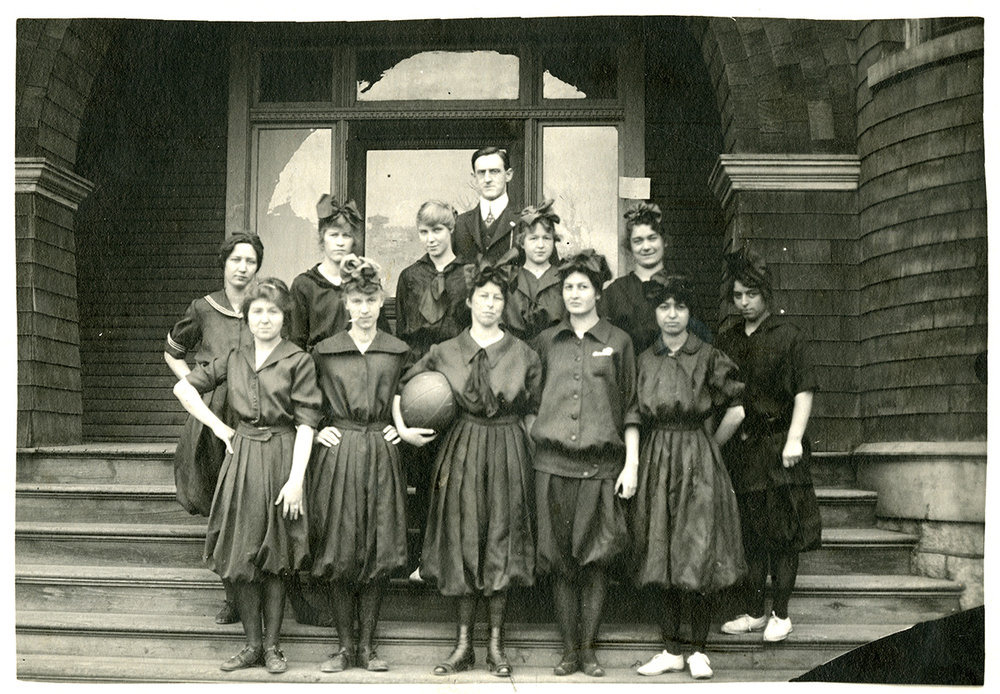
As the popularity of college basketball grew, the sport began to develop a unique culture and tradition within the United States. High-profile rivalries, packed arenas, and unforgettable moments on the court solidified basketball’s place in American sports culture. From humble beginnings in a Massachusetts gymnasium, basketball had become an integral part of college life across the nation.
Basketball goes international
Basketball’s rapid growth in popularity was not limited to the United States. The sport began to gain an international following in the early 1900s, with the first international game being played in London in 1904. The involvement of American soldiers in World War I helped further spread the sport to Europe and beyond, as they brought the game with them to new countries and cultures.
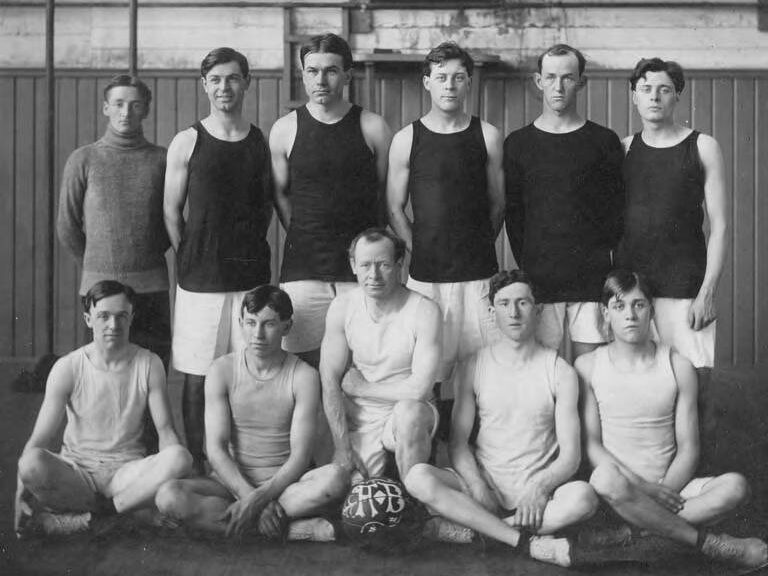
Basketball’s inclusion as a demonstration sport in the 1904 Olympics and its official introduction as a competitive event in the 1936 Berlin Olympics solidified its status as a global sport. Today, basketball is played in more than 200 countries, with millions of people around the world sharing a love for the game that James Naismith invented over a century ago.
The Legacy of James Naismith
The impact of James Naismith’s invention of basketball cannot be overstated. From its creation in a small Massachusetts gymnasium to its current status as a worldwide phenomenon, basketball has captivated generations of players and fans. In honor of the man who gave the world this incredible sport, the Naismith Memorial Basketball Hall of Fame was established to recognize the achievements of the game’s most influential figures.
In this section, we’ll pay tribute to James Naismith and explore his lasting legacy in the world of basketball. From his contributions to the sport’s development to the prestigious institution that bears his name, Naismith’s impact on basketball is still felt today.
Naismith’s contributions to basketball
James Naismith’s influence on basketball extends far beyond the invention of the game. His passion for physical education and his dedication to the sport’s development helped shape basketball into what it is today. Naismith’s original 13 rules laid the foundation for the modern game, and his work as a coach and educator ensured that basketball would continue to grow and evolve.
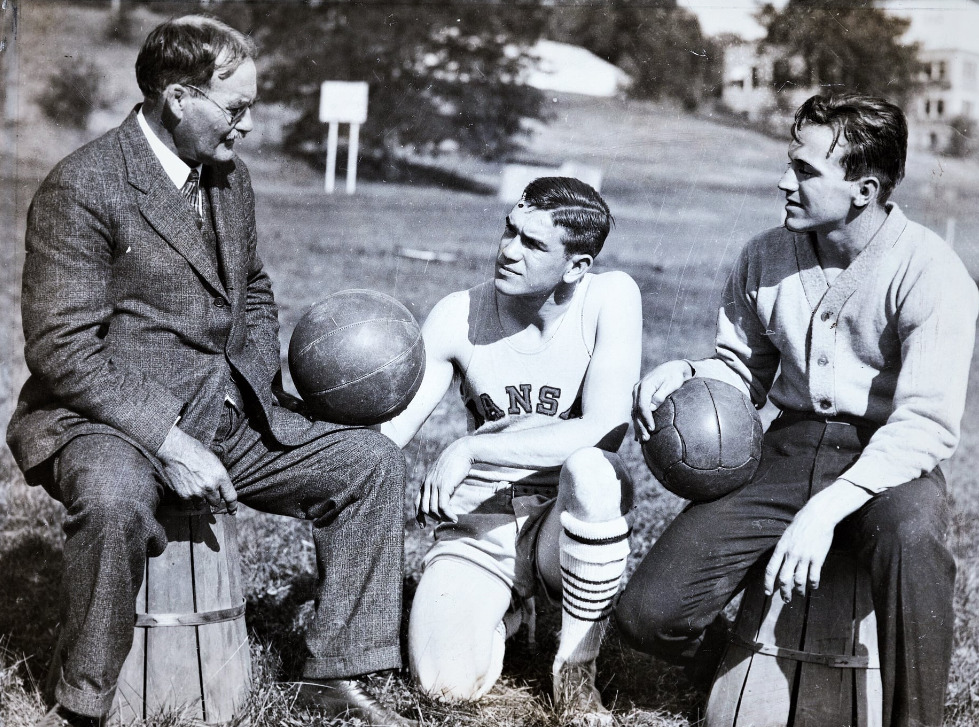
The impact of Naismith’s contributions to basketball can still be felt today. The sport has developed into a fast-paced, exciting game that showcases the incredible athleticism and skill of its players. From its humble beginnings to its current status as an international sensation, basketball is a testament to the vision and innovation of its creator.
The Naismith Memorial Basketball Hall of Fame
The Naismith Memorial Basketball Hall of Fame, located in Springfield, Massachusetts, is a testament to the enduring legacy of James Naismith and the sport he created. Established in 1959, the Hall of Fame serves as a museum and institution dedicated to preserving the history of basketball and honoring the achievements of its greatest players, coaches, referees, and contributors. With over 400 inductees and a sprawling 40,000 square foot facility, the Hall of Fame is a must-visit destination for any basketball enthusiast.
The Naismith Memorial Basketball Hall of Fame is a fitting tribute to the man whose invention has brought joy, excitement, and inspiration to millions of people around the world. Through its recognition of basketball’s most influential figures, the Hall of Fame ensures that the legacy of James Naismith and his contributions to the sport will never be forgotten.
Remembering Naismith
The lasting impact of James Naismith on the sport of basketball is undeniable. His invention of the game and his continued dedication to its development have left an indelible mark on the world of sports. Today, basketball is played and enjoyed by millions of people across the globe, a testament to the enduring appeal of Naismith’s creation.
As we reflect on the history of basketball and the man who brought it to life, we can’t help but be inspired by the passion, innovation, and vision of James Naismith. His legacy lives on in every dribble, pass, and slam dunk, reminding us of the incredible journey that began with a simple idea and a pair of peach baskets.
Summary
From its inception in a small Massachusetts gymnasium to its status as a globally beloved sport, the story of basketball is one of innovation, growth, and passion. James Naismith’s vision and dedication to the development of the game have left an enduring legacy that continues to captivate and inspire players and fans around the world.
As we celebrate the history of basketball and the lasting impact of its creator, it’s clear that the sport has come a long way since its humble beginnings. And with each bounce of the ball, we’re reminded of the man who made it all possible – James Naismith, the inventor of basketball.
Frequently Asked Questions
Where was basketball invented and by who?
Basketball was invented in 1891 by James Naismith, a physical education instructor at Springfield College in Massachusetts. His original rules for the game have been adapted over time to create the sport enjoyed by millions of people around the world today.
Where was basketball invented and why?
Basketball was invented in Springfield, Massachusetts in 1891 by James Naismith as a way to keep athletes occupied during the cold winter months. This invention marked the beginning of what would become one of the world’s most popular sports.
When was basketball invented and who invented it?
Basketball was invented in 1891 by James Naismith, a physical education instructor from the International YMCA Training School in Springfield, Massachusetts. Naismith’s idea for a new game – later to be known as basketball – bridged the gap between football and baseball seasons and has since become one of the most popular sports in the world.
It is played in over 200 countries and has an estimated 450 million players worldwide. Basketball is a fast-paced game that requires agility, strength, and strategy. It is a team sport that can be played indoors or outdoors, and it is a team sport.
Who invented the NBA?
Founded 70 years ago through a spark of innovation, the NBA came into existence in June 1946. It was in New York City that Walter Brown, the owner of Boston Garden, recognized an opportunity. He noticed that the large ice hockey arenas, often empty during the evenings, could serve as the perfect venues for basketball games.
Sources
1. springfield.edu – Where Basketball was Invented: The History of Basketball
2. wonderopolis.org – Who Invented Basketball?
3. wikipedia.org – History of basketball
4. history.com – Who Invented Basketball?
5. thesporting.blog – Where was basketball invented?


