

Did you know that the NBA has a strict anti-doping policy in place to ensure fair play and maintain player health? In this blog post, we’ll dive deep into the NBA’s anti-doping policy, uncovering the various substances that are prohibited, the frequency and timing of drug tests, and the consequences faced by players who fail these tests. So let’s get started and explore the world of drug testing in the NBA!
Substances Prohibited in the NBA
The NBA, in collaboration with the National Basketball Players Association, has a comprehensive list of prohibited substances under its anti-drug agreement. These substances are divided into three main categories: Performance-enhancing drugs (PEDs), stimulants, and other illegal substances. The league takes the issue of doping very seriously, with the Independent Administrator handling the NBA’s Anti-Drug Program.
Now that we know the categories of prohibited substances, let’s delve deeper into each one and understand what they entail and why they’re banned in the NBA.
Performance-Enhancing Drugs (PEDs)
Performance-enhancing drugs (PEDs) are substances that athletes use to boost their physical abilities. They’re usually not allowed in sports competitions because they can give players an unfair advantage over their opponents. Some well-known examples of PEDs include anabolic steroids, human growth hormone, erythropoietin, beta-blockers, stimulants, and diuretics.

The NBA’s drug policy prohibits the use of PEDs to maintain a level playing field and uphold the spirit of sportsmanship. After all, no one wants a Lance Armstrong situation in basketball, right?
Stimulants
Stimulants are a class of drugs that can increase alertness and energy by speeding up communication between the brain and body. Some common examples of stimulants include caffeine, amphetamines, and cocaine. Just like PEDs, stimulants are also prohibited in the NBA as they can give athletes an unfair edge over their opponents.
By banning stimulants, the NBA ensures that players rely solely on their natural abilities and hard work to achieve success on the court. After all, that’s what true sportsmanship is all about, right?
Other Illegal Substances
In addition to PEDs and stimulants, the NBA also prohibits certain substances that don’t necessarily enhance performance but are still illegal under federal or state laws. The FIBA (International Basketball Federation) also has an anti-doping program in place, aimed at maintaining fair play and protecting the health and welfare of basketball players worldwide.

Players who test positive for banned substances during FIBA games can face fines, suspensions, and disqualifications from competing. This highlights the importance of maintaining a drug-free sport, not just in the NBA, but in basketball competitions around the globe.
The Frequency and Timing of NBA Drug Tests
The NBA has implemented a drug testing program to ensure the integrity of the sport and the well-being of its players. It serves as an effective way to prevent, identify, and ultimately punish any abuse of performance enhancing drugs. Players can be randomly drug tested both during the regular season and the offseason, according to the NBA’s drug testing policy. In fact, players are required to undergo at least four tests during the season and one during the summer.
Now that we know how often NBA players are tested, let’s take a closer look at the different periods when these tests take place.
Regular Season Testing
During the regular season, NBA players are subject to random drug testing as part of the league’s Anti-Drug Program. They can be tested up to four times during the regular season and two times during the offseason. This random testing ensures that players adhere to the NBA’s drug policy and maintain a level playing field throughout the season.
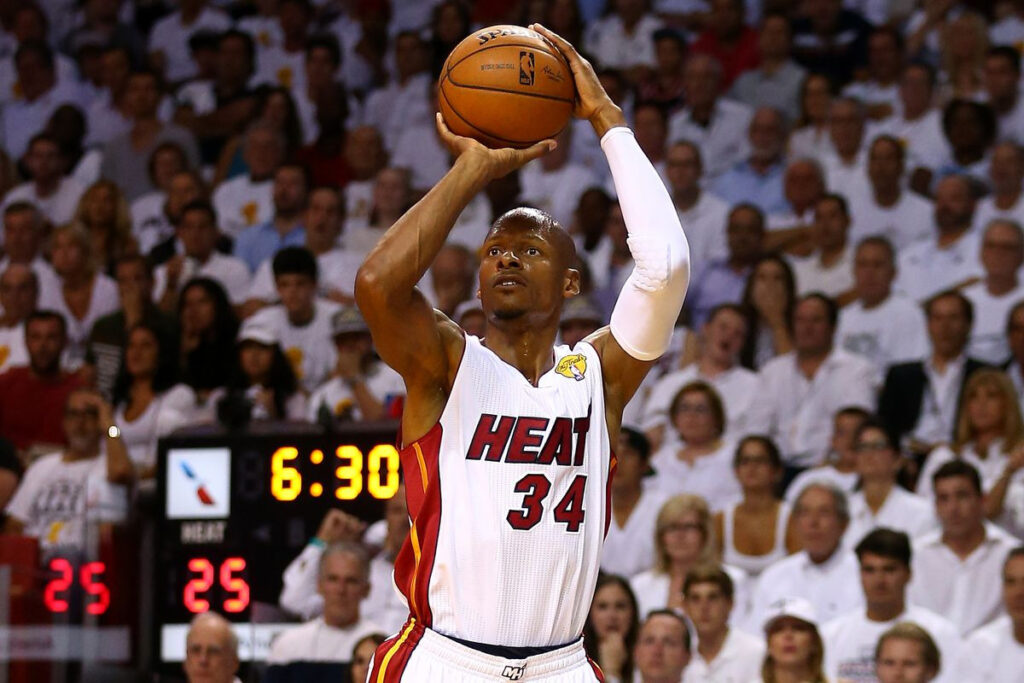
By conducting random tests, the NBA aims to deter players from using banned substances and to identify those who might be breaking the rules. This helps maintain the integrity of the sport and keeps the competition fair and exciting for both the players and fans alike.
Offseason Testing
Even during the offseason, NBA players are not exempt from drug testing. The NBA’s anti-doping policy includes two random, unannounced urine drug tests during the offseason. Players can be tested while traveling with their teams or when visiting the NBA office in New York City.
Offseason testing ensures that players remain accountable for their actions year-round and sends a strong message that the NBA is committed to maintaining a drug-free sport, both on and off the court.
International Competitions
In addition to regular season and offseason testing, NBA players participating in international competitions such as the Olympics and World Cup are subject to FIBA’s drug testing rules. This means that players representing their countries in these prestigious events must adhere to the same stringent anti-doping guidelines as they do in the NBA.
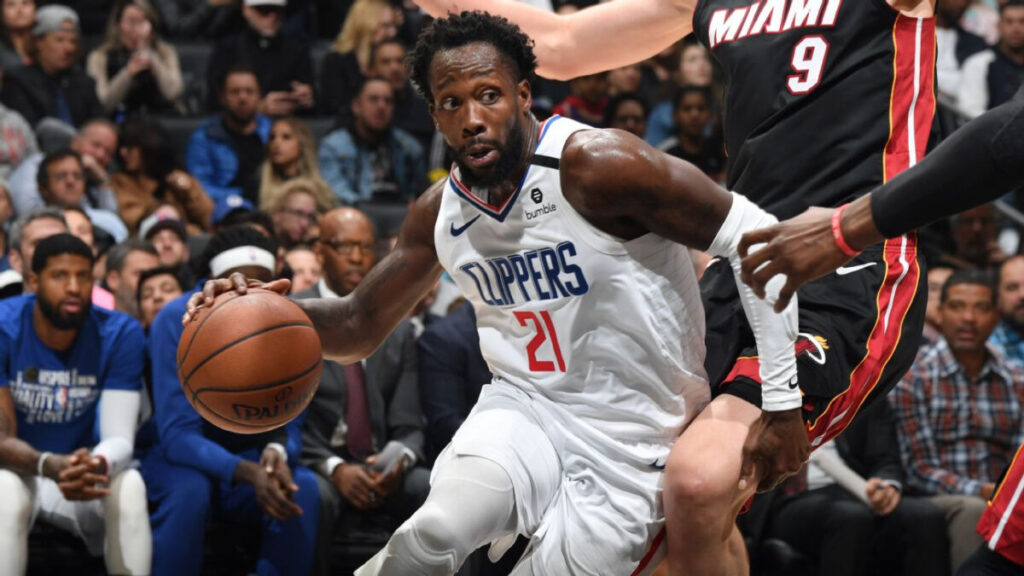
Failing a drug test during an international competition can result in severe penalties, including suspension, fines, and disqualification from the event. This further emphasizes the importance of maintaining a drug-free sport at all levels of competition.
Ensuring Fair Play: Drug Testing for NBA Referees
It’s not just NBA players who are subject to drug testing – referees must also adhere to the same drug testing policy as the players. This ensures that referees, who play a crucial role in maintaining the integrity of the game, are held to the same high standards as the athletes they officiate.
By requiring drug testing for referees, the NBA demonstrates its commitment to maintaining a level playing field and ensuring fair play throughout the league. After all, the referees are just as integral to the game as the players themselves.
Consequences for Positive Drug Tests in the NBA
If a player tests positive for a banned substance, they can face a variety of penalties, including suspensions, fines, or even disqualification from competitions. The specific consequences depend on the type of substance detected and the player’s history of previous offenses.
In the following subsections, we will discuss the consequences for first-time and repeat offenders.
First-Time Offenders
For first-time offenders, the penalties can be quite severe. If a player tests positive for substances like steroids, stimulants, masking agents, diuretics, cocaine, opiates, PCP, or LSD, they face a 10-game suspension without pay. In addition, players who test positive for “drugs of abuse” like cocaine or marijuana may be required to participate in a substance addiction program and could face fines of up to $25,000.
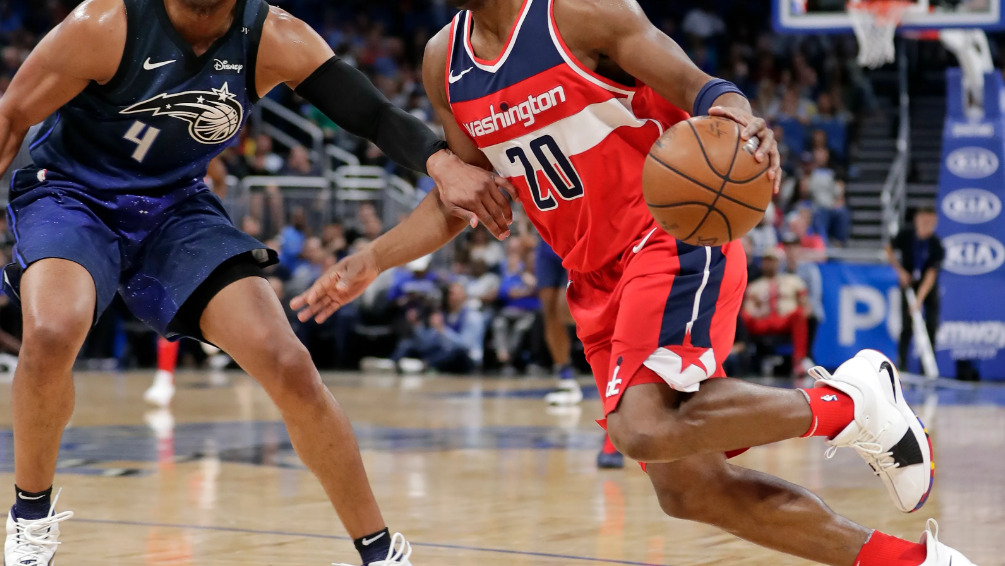
These strict penalties serve as a strong deterrent for players considering using banned substances and help maintain the integrity of the sport.
Repeat Offenders
For players who continue to break the NBA’s anti-doping rules, the penalties only get more severe. A second offense can result in a fine of up to $50,000 and a suspension of up to 10 games for drugs like cocaine or marijuana, or up to 55 games for anabolic steroids.
For a third offense, players face a minimum two-year suspension. By imposing harsher penalties for repeat offenders, the NBA aims to send a clear message that using banned substances will not be tolerated and that players must remain committed to maintaining a drug-free sport.
The Mechanics of NBA Drug Testing
The NBA’s drug testing program is a comprehensive and thorough process that involves collecting urine and blood samples from players and analyzing them for the presence of banned substances. The program is designed to detect not only the use of prohibited substances but also any attempts by players to mask their use or cheat the system.
In the following subsections, we will discuss the various components of the NBA’s drug testing program, including the Doping Control Program and sample collection methods.
Doping Control Program
The NBA’s Doping Control Program is an advanced laboratory program that is responsible for detecting banned substances in player samples. To ensure the highest level of accuracy and reliability, the program adheres to strict guidelines and protocols established by the World Anti-Doping Agency (WADA).
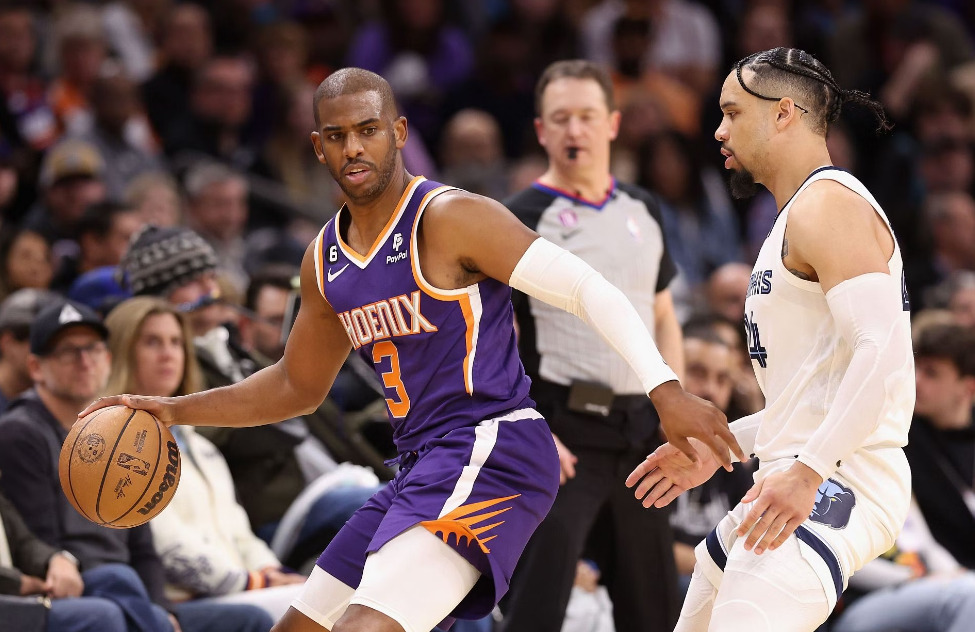
By implementing a robust Doping Control Program, the NBA demonstrates its commitment to maintaining a drug-free sport and upholding the highest standards of fair play and sportsmanship.
Sample Collection
Sample collection is a crucial step in the NBA’s drug testing process. A certified collector takes urine and blood samples from players and sends them to a WADA-accredited laboratory for analysis. This ensures that the testing process is conducted in a secure, professional, and unbiased manner.
Through a rigorous sample collection process, the NBA can effectively monitor and enforce its anti-doping policy, ensuring that all players compete on a level playing field and that the integrity of the sport is preserved.
Recent Changes in NBA Drug Policy: Marijuana and Cannabinoids
In recent years, the NBA has made some significant changes to its drug policy, particularly with regard to marijuana and cannabinoids. The league has removed marijuana from its list of banned substances, reflecting the increasing acceptance of its use and the belief that it no longer constitutes a performance-enhancing drug.
This change in policy demonstrates the NBA’s willingness to adapt and evolve with the times, while still maintaining strict controls over the use of other drugs like HGH and performance-enhancing drugs.
Notable Instances of Failed NBA Drug Tests
Over the years, there have been several high-profile cases of NBA players failing drug tests and facing the consequences. Some notable examples include Wilson Chandler, DeAndre Ayton, John Collins, Michael Beasley, Tyreke Evans, and O.J. Mayo. These players have faced suspensions, fines, and in some cases, disqualification from competitions as a result of their positive tests.

These instances serve as a stark reminder of the importance of adhering to the NBA’s anti-doping policy and the potential consequences faced by those who choose to break the rules.
Summary
In conclusion, the NBA’s anti-doping policy plays a crucial role in maintaining the integrity of the sport and ensuring fair competition for all involved. From the comprehensive list of prohibited substances to the stringent testing procedures and penalties for those who break the rules, the NBA has demonstrated its commitment to upholding the highest standards of sportsmanship and player health. As fans, we can take comfort in knowing that our favorite athletes are competing on a level playing field, and that the thrill and excitement of the game are preserved for generations to come.
Frequently Asked Questions
What is the NBA drug policy?
The NBA’s drug policy states that all players are subject to random testing up to nine times in a season, and marijuana has been removed from the list of prohibited substances.
Thus, NBA players will no longer be tested for marijuana under the updated Collective Bargaining Agreement.
Do NBA players get drug tested for steroids?
Yes, NBA players are required to undergo drug testing for steroids throughout the season and offseason. The league uses urine and blood tests to detect anabolic steroids, diuretics, and masking agents in an effort to ensure a level playing field.
These tests are conducted randomly and without warning, and players are subject to fines and suspensions if they fail to comply. The league also has a strict policy against the use of performance.
What are the banned substances in the NBA?
The NBA has a strict list of substances that are banned, including performance-enhancing drugs, growth hormones, drugs of abuse such as cocaine, opiates and methamphetamine, as well as marijuana. As of now, marijuana is no longer randomly tested for, although its use still remains prohibited.
Sources
1. fieldinsider.com – Why NBA Players Get Drug Tested: All You Need To Know
2. foxsports.com – NBA says drug tests remain random, despite convenient timing after 71-point performances
3. sportsdigest.in – Doping in NBA: What is it, effects and how is it being tackled?
4. espn.com – The NBA and performance enhancing drugs


