
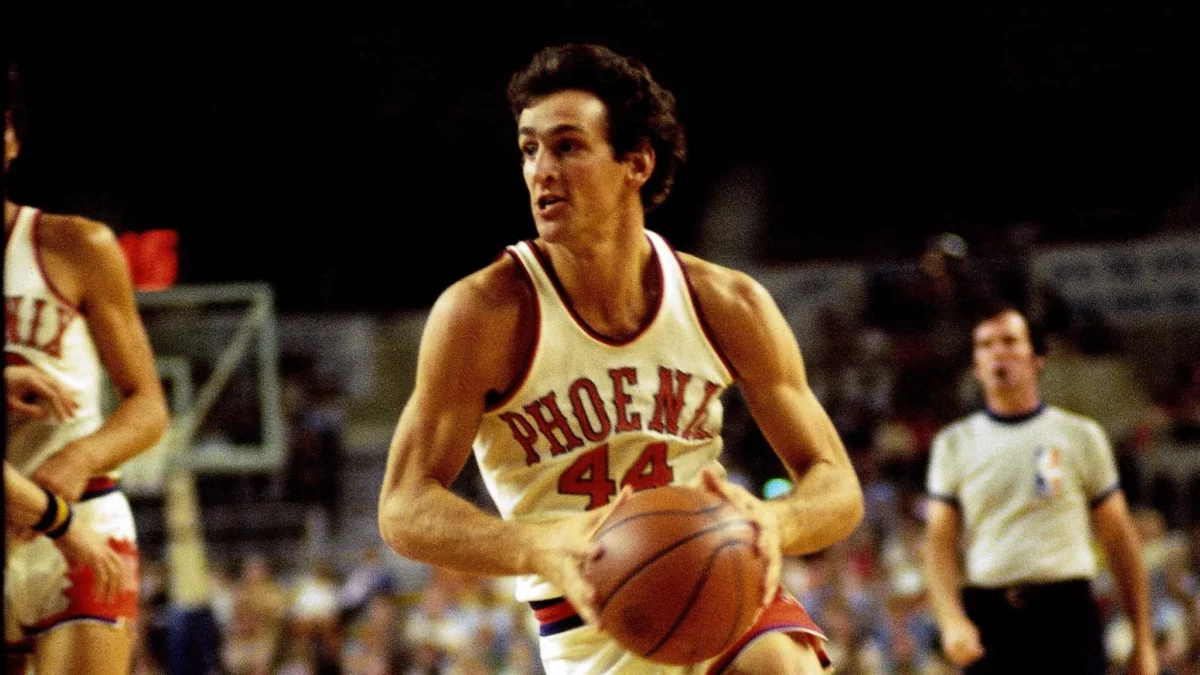
There aren’t too many players who have had Hall of Fame basketball careers that can still be considered underrated, but somehow, Paul Westphal might be one of them. His heyday in the NBA came in the 1970’s, which was before the league increased in popularity in the following decade. Westphal’s impressive play was also overshadowed by titans of the game like Kareem Abdul Jabbar, Julius Erving and George Gervin. However, he was one of the league’s best scorers for a five year stretch, and dedicated much of his NBA life specifically to two franchises.
Paul Westphal – Life Before The NBA
Paul Douglas Westphal’s life began on November 30, 1950 in Torrance, California. His introduction to the game of basketball came while playing in his driveway with his older brother and his father. Westphal would learn the fundamentals of the sport, which made him a difficult player to guard considering that he could beat his defender with either hand. He would end up becoming a star player at Aviation High School, and his talent was starting to become noticed in Southern California and other parts of the country.
Because the UCLA Bruins were the dominant college program and located mere minutes from where Westphal grew up, many assumed that he would decide to join a powerhouse team. The teenager from Torrance had a different take on it, though. He still wanted to remain local, but embraced the challenge of helping a less established program work its way to the top. For that reason, he decided to play at USC.
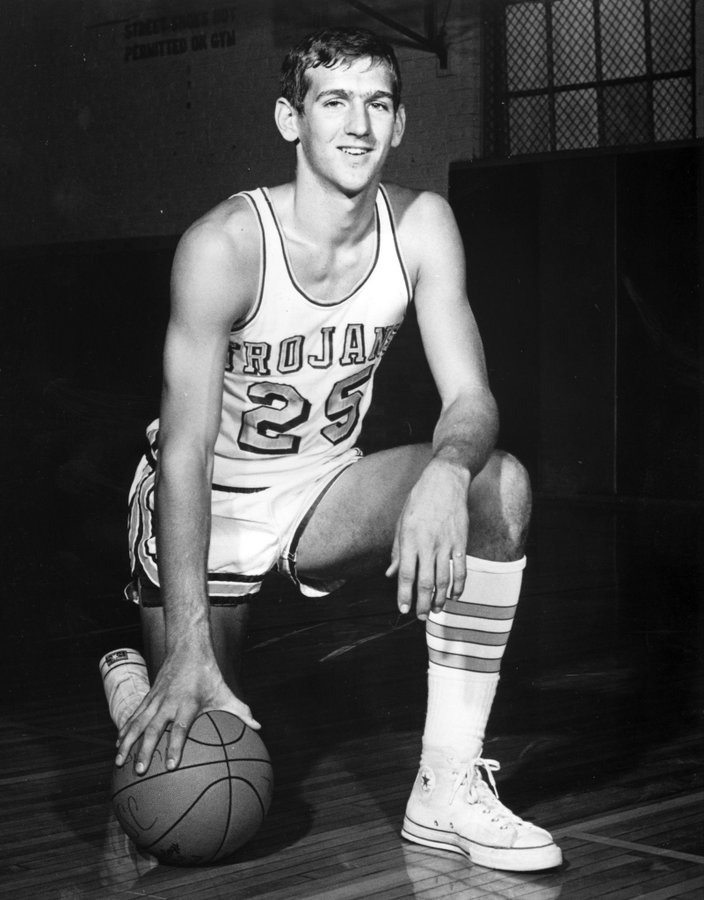
The Trojans did not have the same level of team success as their crosstown rivals, but they were a strong squad during Westphal’s time there. The future NBA star averaged over 16 points per game during his college career.
Paul Westphal – Phoenix Suns Playing Career
Before he would get to the franchise that he was most closely associated with, Paul Westphal was selected with the 10th overall pick in the 1972 NBA Draft by the Boston Celtics. It was an interesting pick for a team that was ready to win immediately, and that exposure to high level basketball probably helped Westphal later on in his career. He would spend the first three years of his career in Boston, with the team making at least the conference finals every year. In Westphal’s second season, the Celtics won the NBA championship.
He did not get a lot of playing time during those seasons though, and the Celtics felt he was expendable. Before the 1975-1976 season, he was traded to the Phoenix Suns for Charlie Scott. The latter had certainly accomplished more in his career than Westphal to that point, but the former USC star just needed a chance to show what he could do.
The trade completely changed Westphal’s career. In his first season with Phoenix, he averaged over 20 points per game, over five assists a night, and nearly three steals per contest. The talent that he showed in college had been completely unleashed now that he had an opportunity to play. As it turned out, the Celtics would see their former teammate again in all his glory in the 1976 NBA Finals. The Suns would lose in six games to Boston, but Westphal averaged over 20 points in the series.
The 6’4” guard would end up making the All-Star team each of his next four seasons in Phoenix. In 1977-1978, Westphal would average a career high of over 25 points per game.
Paul Westphal – Seattle SuperSonics and New York Knicks Playing Career
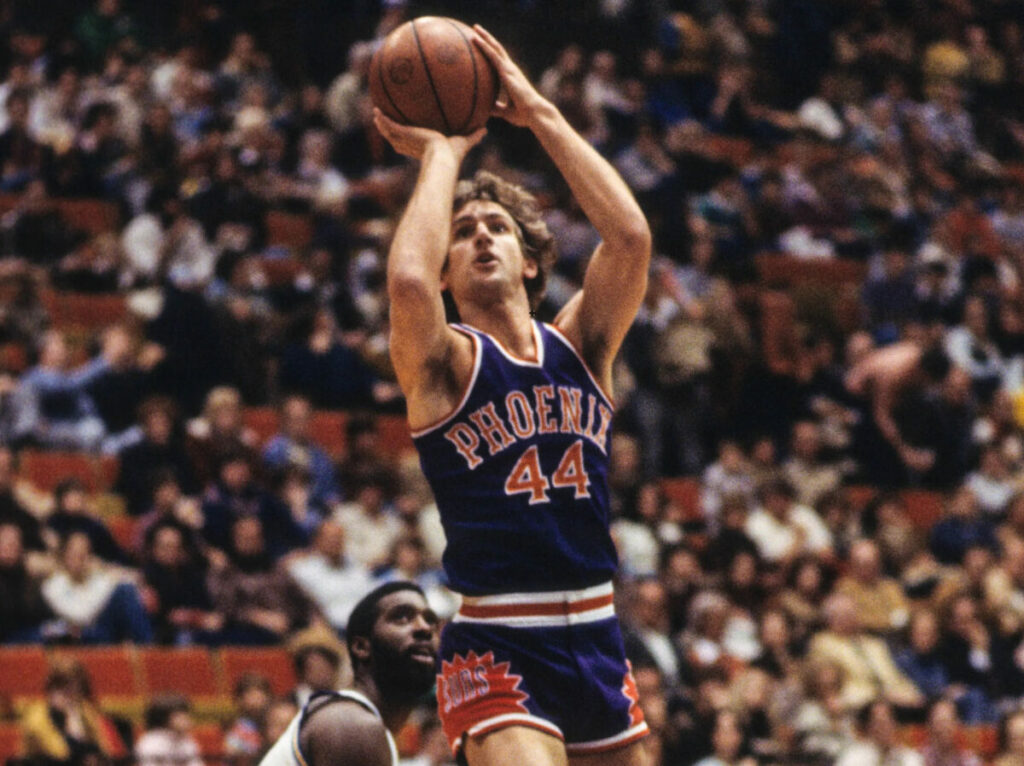
After a highly successful run in Phoenix, the Suns decided to go in a different direction by trading him to the Seattle SuperSonics in exchange for Dennis Johnson. Picking up right where he left off, Westphal was named to another All-Star team with Seattle. However, he injured his foot in the second half of that year, and missed a lot of games down the stretch.
The SuperSonics did not bring Westphal back, and he ended up signing with the New York Knicks. Unfortunately, the foot ailment robbed him of a lot of his explosiveness, and he became more of a role player in New York during the 1982-1983 season.
In his final NBA campaign, Westphal returned to the Suns, where he played around 15 minutes a night to close out his career.
Paul Westphal – Phoenix Suns Coaching Career
After a few years away from the NBA, Westphal would return to the team that gave him a chance to blossom in 1988. This time, it was as an assistant coach under Cotton Fitzsimmons. The Suns had an entertaining, high octane team from 1988-1992, and they made a couple of Western Conference Finals under Fitzsimmons.
However, the team was looking to take another step forward before the 1992-1993 campaign, and made two big moves. The first was elevating Paul Westphal to head coach, in hopes he could take the team farther than Fitzsimmons. Phoenix also shook up their roster, trading Jeff Hornacek, Andrew Lang and Tim Perry for Charles Barkley.
That season was an exciting ride for the franchise. They won 62 games, and Barkley was the NBA’s MVP. Westphal was able to get production out of veterans like Kevin Johnson and Danny Ainge, while building up younger players like Cedric Ceballos and Dan Majerle.
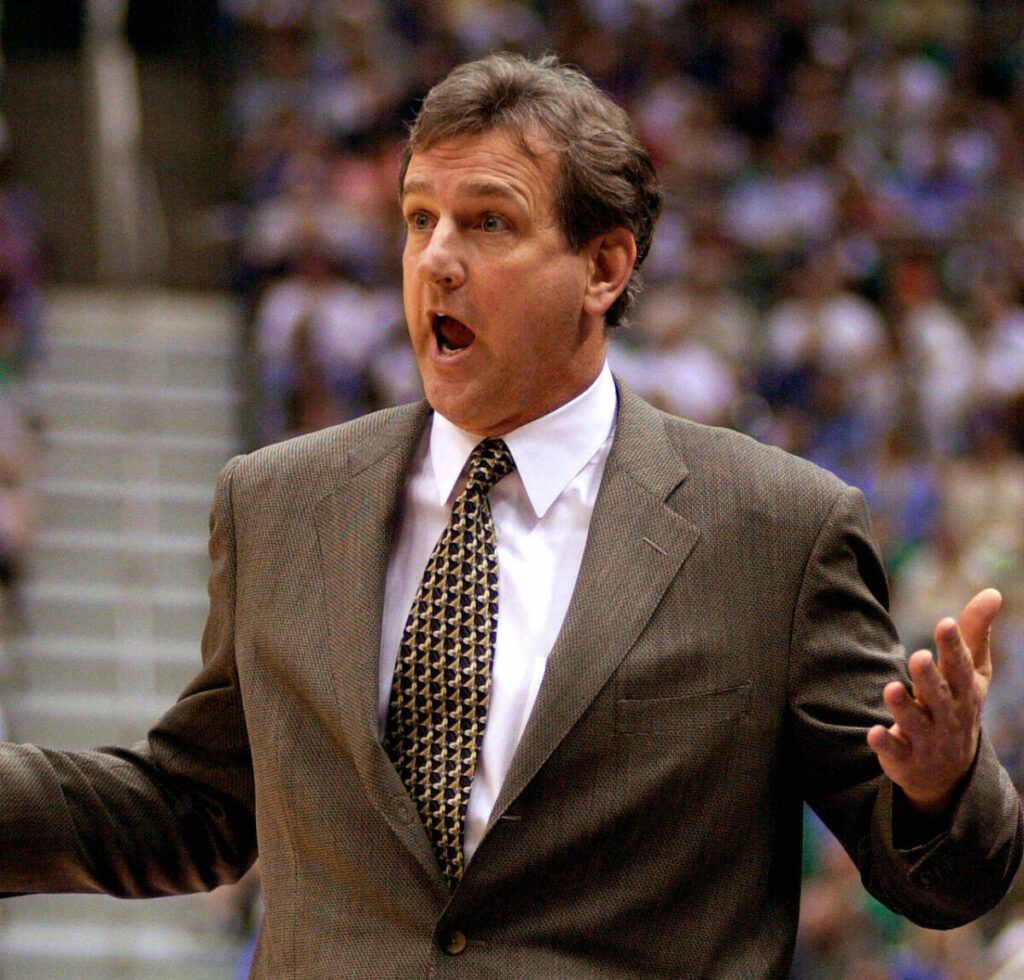
Phoenix got to the NBA Finals, and lost a tough series to Michael Jordan and the Chicago Bulls.
That first year would be as good as it would get for Westphal, as the Suns would exit the playoffs in earlier rounds during the rest of his time there.
Paul Westphal – Seattle SuperSonics Coaching Career
A couple years later, Paul Westphal would be hired as the head coach of the Seattle Supersonics, another one of his former teams. The team had a couple of holdovers from the glory years of the mid 1990’s, including Gary Payton and Detlef Schrempf. Seattle also had promising second round pick Rashard Lewis, who had an exciting versatile skill set at 6’10”.
Westphal’s stint as Sonics head coach would last two full seasons, as he led the team to the playoffs in the 1999-2000 campaign where they would lose in the first round to the Utah Jazz.
Paul Westphal – Sacramento Kings Coaching Career
Several years later, the Sacramento Kings would name Westphal as their head coach. This was a much different challenge than what he inherited in Phoenix or Seattle. The Kings were a young, rebuilding team, and needed a teacher to help guide them in the right direction.
He would have a chance to work with intriguing talent like Tyreke Evans and DeMarcus Cousins, but only lasted two full seasons there.
Paul Westphal – Naismith Memorial Basketball Hall of Fame
Westphal would continue to serve as an assistant after his Kings tenure for a couple of years with the Brooklyn Nets. Many people may not know this, but he would also coach collegiately, for Southwestern Baptist Bible College in the mid 1980’s, and Pepperdine University in the 2000’s.
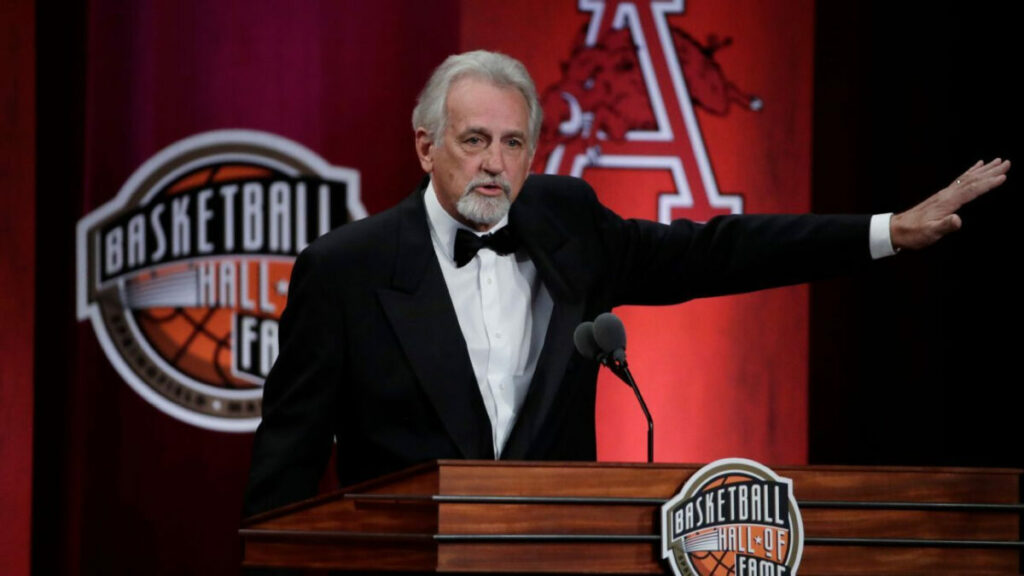
He was inducted into the basketball Hall of Fame as part of the class of 2019. Westphal will forever be remembered for his contributions to the Phoenix Suns, as he was named to their Ring of Honor.
Paul Westphal – Net Worth
Paul Westphal is a former NBA star and Hall of Fame inductee with an estimated net worth of $5 million. His wealth is primarily attributed to his basketball career, during which he won an NBA championship and was a five-time All-Star. In addition, he has earned income through coaching in the NBA and NCAA.
What happen to Paul Westphal?
Paul Westphal lived a very eventful life. He was a talented basketball player who grew up in Southern California, and decided to play his college ball in the same area at USC. He would make it to the NBA, and was initially drafted by the Boston Celtics. He would eventually get traded to the Phoenix Suns, where he would really blossom as a player. He would also go on to play for the Seattle SuperSonics and New York Knicks later in his career. He coached the Suns during the 1992-1993 season when they made the NBA Finals, and lost to the Chicago Bulls.
Is Paul Westphal still alive?
Unfortunately, we have lost one of the great basketball figures of the last several decades within the last few years. Paul Westphal had an exceptional career and a player and then as a head coach. He was diagnosed with brain cancer in the summer of 2020, which is a crushing set of circumstances to deal with. At this point, it was apparent that Westphal may not have much more time to live. In January 2021, Westphal passed away at the age of 70. Fortunately, he was inducted into the Naismith Basketball Hall Of Fame just before health troubles began, in 2019.
Who did the Celtics get for Paul Westphal?
On May 23, 1975 the Boston Celtics traded Paul Westphal and a couple of draft picks for Charlie Scott. The trade made some sense at that time, because while Westphal was incredibly talented, he did not get too many minutes with Boston. They were more focused on playing established veterans during that time. The trade could be classified as a win-win for both teams. Scott continued to play well for the Celtics, averaging over 17 points per game while in Boston. Meanwhile, Westphal was unleashed in Phoenix, and would go on to make several All-Star teams. Had Westphal not been traded, it is possible he never makes the Hall of Fame.


