
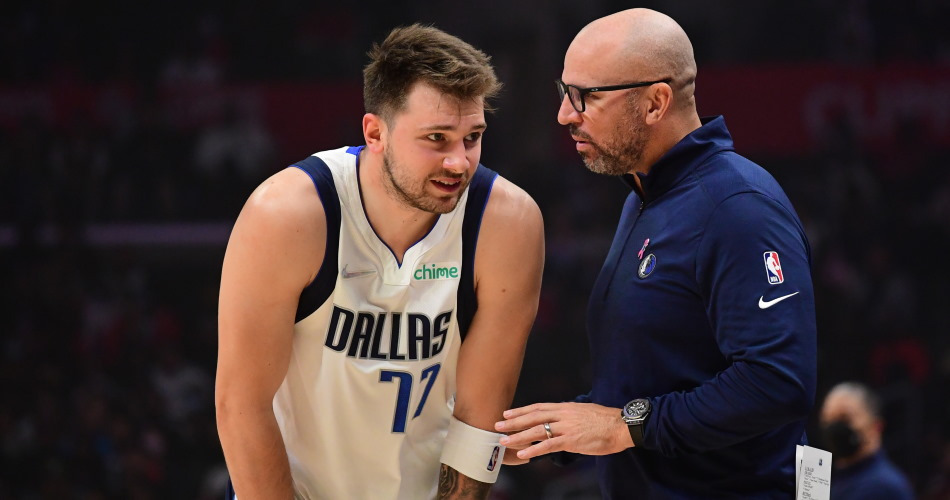
NBA trades are thrilling. Players, draft picks, and cash often change hands. But what about coaches? Can they be traded too? The answer is yes, but it’s rare. This article explores the intriguing world of NBA coach trades. We’ll dive into the rules, reasons, and real-life examples. Let’s begin with the rules that govern these unique trades involving NBA coaches.
The Rules of Trading Coaches
NBA rules allow coach trades but they’re different from player trades. Coaches must consent to a trade. No active players can be part of a coach trade. Only draft picks and cash are permissible assets. This makes coach trades unique and complex.
Coaches look for winning potential in a trade. They won’t leave for a worse team. The trade must be a win for the coach. Most coaches either step down or get fired. Coach trades are rare but fascinating. In 2013, the Celtics traded Doc Rivers to the Clippers. The deal included a first-round draft pick in 2015. The league vetoed an earlier proposal with active players. The Rivers trade set a precedent.
Jason Kidd was traded to the Bucks in 2014. The deal included two second-round draft picks. Kidd’s trade followed a dispute with Nets management. These instances highlight the intricacies of coach trades. The rules of trading coaches are clear. They ensure fairness and integrity in the league. Understanding these rules sheds light on the business side of the NBA. It reveals the strategic thinking behind the game.
Why Coaches Get Traded
In the ever-changing landscape of the NBA, trades are not just limited to players. Coaches, too, can find themselves part of a trade deal. But why would a coach be traded? The reasons are multifaceted and often mirror the motivations behind player trades. In an era where player empowerment is on the rise, superstars may demand trades for personal reasons such as a change in scenery or pairing up with other stars. Similarly, coaches may seek a new environment or a team with a different set of players and potential.
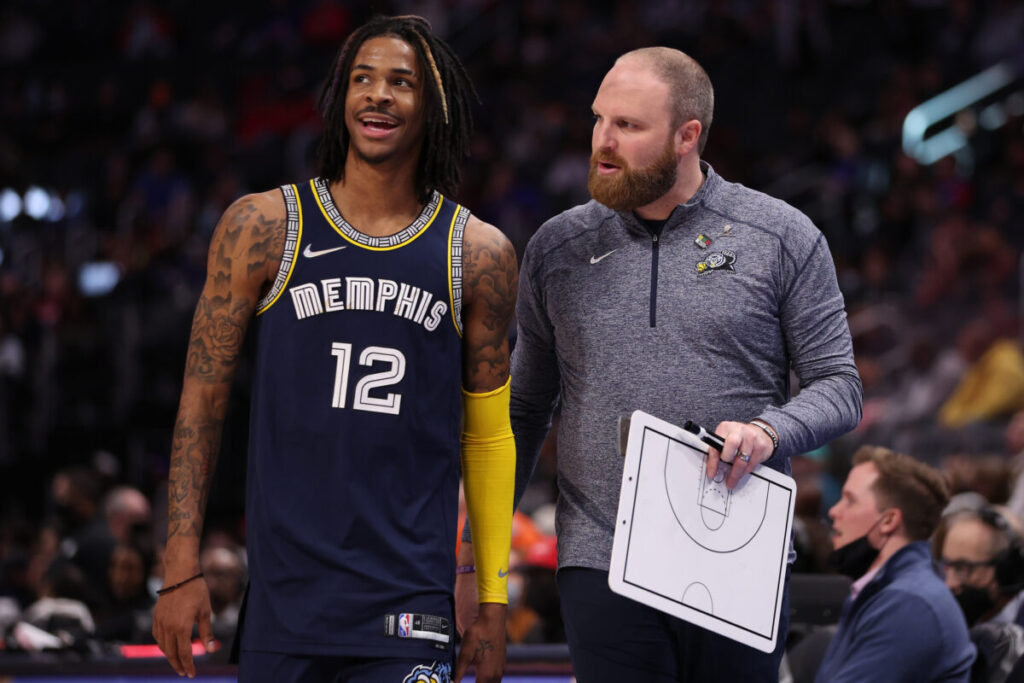
On the organizational side, trading coaches can be a strategic move. NBA teams may trade away coaches to free up financial resources or acquire valuable draft picks. The business aspect of the NBA cannot be ignored, and bold moves are sometimes necessary to keep the organization thriving. Unlike players, however, coaches cannot be traded for active players, as a coach’s salary doesn’t count towards the team’s salary cap.
This limitation means that coaches may only be traded for cash considerations and draft picks, as per NBA rules. The dynamics of coach trades, therefore, are both similar to and distinct from player trades, reflecting the complex interplay of personal desires, organizational strategies, and league regulations.
Historical Instances of Coach Trades
The history of the NBA has seen some remarkable coach trades that have left lasting impacts on the teams involved. One of the most notable instances is the trade of Doc Rivers from the Boston Celtics to the LA Clippers in 2013. Rivers, who had led the Celtics to a championship in 2008, found himself wanting no part in the team’s rebuilding process.
The initial trade proposal, which included active players, was vetoed by the league. Eventually, a deal was struck that sent Rivers to the Clippers in exchange for a 2015 first-round draft pick. Rivers’ tenure with the Clippers was marked by playoff appearances but never advanced past the semi-finals.
Another high-profile coach trade involved Jason Kidd, who was traded from the New Jersey Nets to the Milwaukee Bucks in 2014. Kidd’s relationship with the Nets’ management had soured, and he was traded for two second-round draft picks.
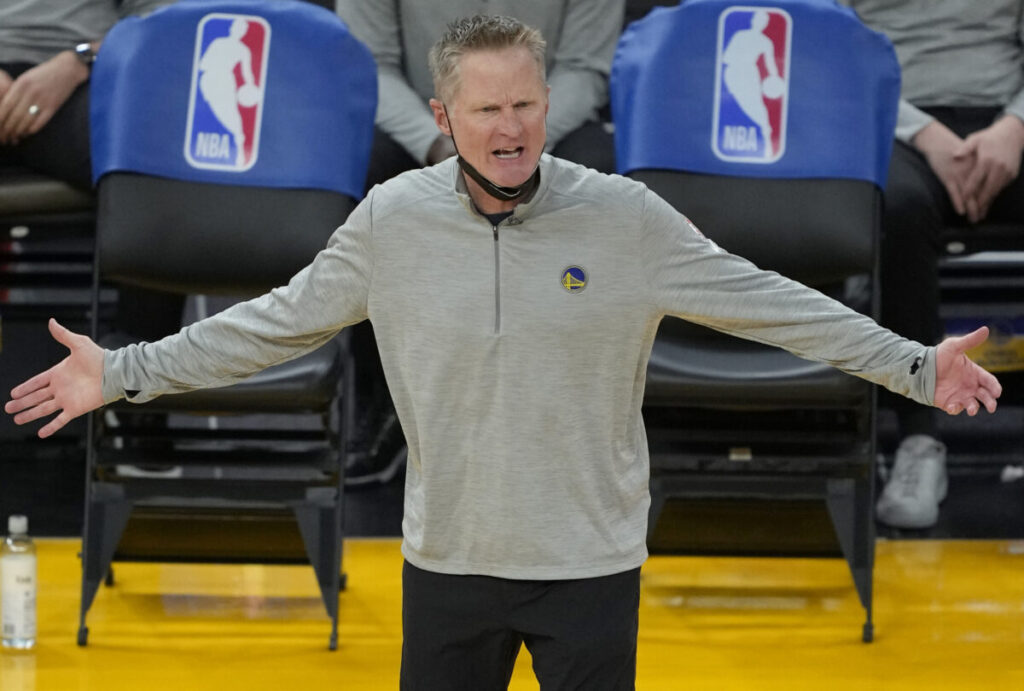
His time with the Bucks saw playoff appearances and a shaping of the team’s style and vision. Other notable coach trades include Mike Dunleavy Sr. in the 90s, Pat Riley’s controversial move in 1995, and Stan Van Gundy’s trade in 2007. These trades not only shaped the careers of the coaches involved but also had ripple effects on the teams and the league as a whole.
These historical instances of coach trades provide valuable insights into the mechanics and motivations behind such moves. They reveal the strategic thinking that goes into building and rebuilding teams, the personal aspirations of coaches, and the intricate rules that govern the process. Coach trades, though rare, are an essential part of the NBA’s rich tapestry, adding another layer of complexity and excitement to the game.
Coaches’ Salaries and Contracts
In the world of professional basketball, the financial aspects are as vital as the game itself. Coaches’ salaries and contracts play a significant role in the dynamics of the league. Unlike players, whose salaries are often regulated by the NBA’s Collective Bargaining Agreement (CBA), coaches are not bound by such limitations. This means that coaches can potentially earn more than the organization’s players, as their salaries are not capped.
The average salary of an NBA coach is around $3.5 Million, but this figure can vary widely based on experience, success, and the team they are coaching. For instance, San Antonio Spurs head coach Gregg Popovich, the winningest NBA coach in history, commands a reported salary of $11 Million, while Golden State Warriors head coach Steve Kerr follows closely with $10 Million. At the minimum, coaches make $25,000 per game, amounting to around $2.05 Million in a season, not counting bonuses and other paid responsibilities beyond coaching duties.
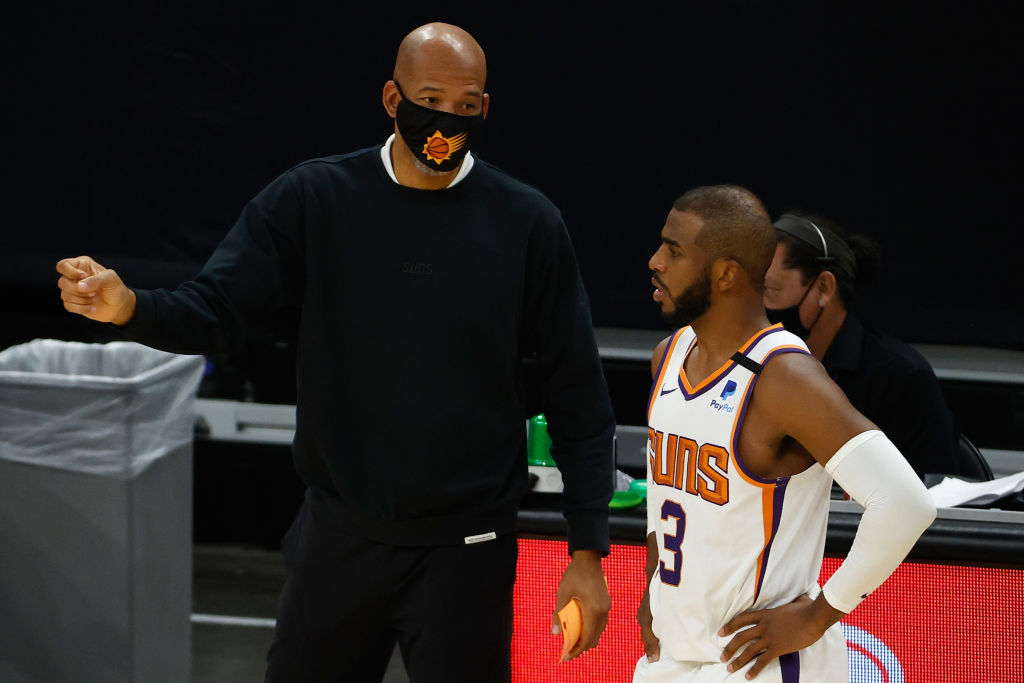
The financial considerations in coach trades are also unique. Since a coach’s salary isn’t part of the team’s salary cap, they cannot be traded for active players. The trades usually involve cash considerations and draft picks. This financial dynamic adds another layer of complexity to coach trades, reflecting the intricate balance between the sport and the business of basketball.
Can a Coach Refuse to Be Traded?
One of the most intriguing aspects of coach trades is the ability of a coach to refuse a trade. Unlike players, who can only refuse trades if they have a specific no-trade clause in their contract, coaches have an inherent right to consent or refuse a trade deal. This ability of current coaches to have a say in their professional destiny sets coaches apart from players in the trade process.
The requirement for a coach’s consent to a trade ensures that they have control over their career path and the teams they wish to lead. However, it’s worth noting that coaches can also be fired by the team, so the leverage is not entirely one-sided. The balance of power between coaches and organizations is a delicate one, shaped by contracts, performance, relationships, and the ever-present drive to win.
The ability of a coach to refuse a trade adds a human element to the often cold and calculated world of professional sports trades. It underscores the importance of individual agency and aligns with the broader trend of empowerment within the league. The rules and practices surrounding coach trades are not just about strategy and finance; they also speak to values, ethics, and the complex interplay between individuals and organizations.
Final Words
The concept of trading NBA coaches is a fascinating and complex aspect of professional basketball. From the specific rules that govern such trades to the motivations, historical instances, financial considerations, and the unique ability of coaches to consent or refuse a trade, the subject offers a rich and multifaceted insight into the NBA.
Coach trades, though rare, reflect the strategic thinking, business acumen, personal aspirations, and ethical considerations that shape the league. They add depth and intrigue to the game, revealing the intricate machinery that operates behind the scenes. Whether building championship teams or navigating personal and professional crossroads, coach trades are a testament to the dynamism and complexity of the NBA.
Frequently Asked Questions
Do coaches ever get traded?
Yes, coaches in the NBA can and have been traded, although it is a rare occurrence. The trades usually involve draft picks and cash considerations, and the coach must consent to the trade. Some notable examples include the trades of Doc Rivers to the LA Clippers and Jason Kidd to the Milwaukee Bucks.
When was the last time an NBA coach was traded?
The last notable instance of an NBA coach being traded was in 2014 when Jason Kidd was traded from the New Jersey Nets to the Milwaukee Bucks. The deal included two second-round draft picks, and it followed a dispute between Kidd and the Nets’ management.
Can coaches be traded for players?
No, NBA rules prohibit coaches from being traded for active players. While draft picks and cash can be part of a coach trade, active players cannot be included in the deal. An example of this rule in action was when the league vetoed a proposed trade that would have sent Doc Rivers and Kevin Garnett to the LA Clippers for active players. The deal was later restructured to include only a draft pick for Rivers.
Sources
1. hoopsaddict.com – Does the NBA Allow Coaches to be Traded?
2. sports-king.com – Can NBA Coaches Be Traded? – Sports King
3. realhoopers.com – Can NBA Coaches Be Traded? Yes Or No?


