
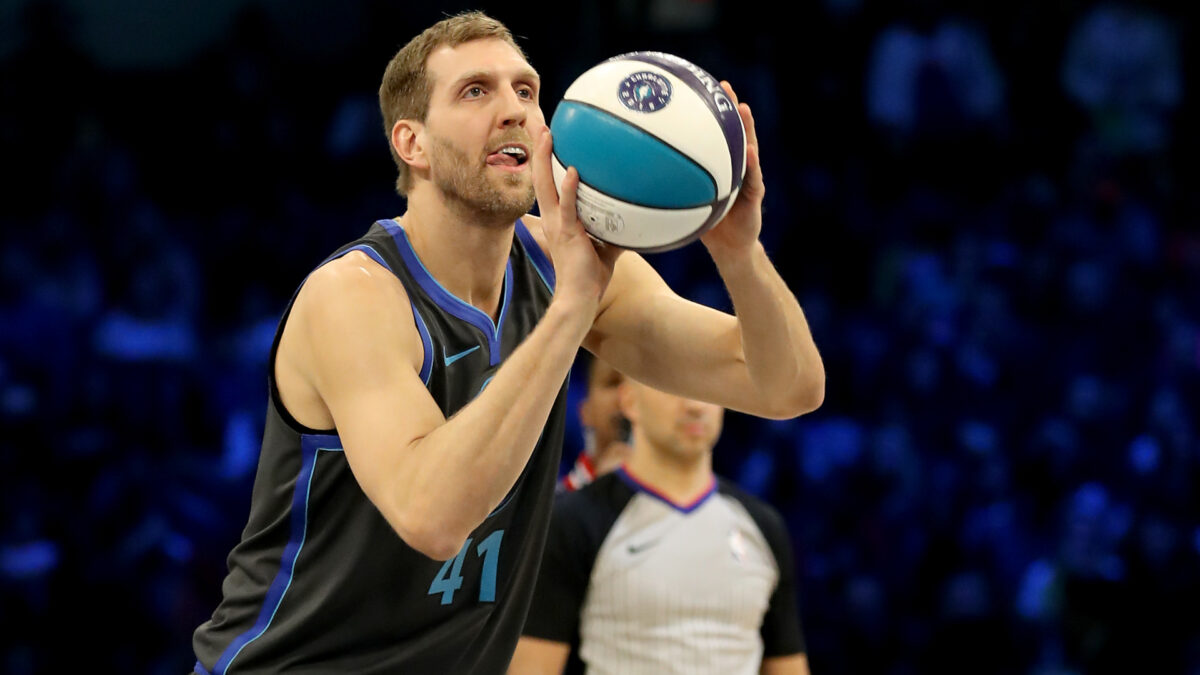
The three-point shot, often referred to as the great equalizer in basketball, has revolutionized the way the game is played. From its inception to its current prominence, the three-pointer has become an integral part of the NBA, influencing game strategies, player development, and fan excitement. As the NBA evolved, so did the significance of this long-range shot, leading to the creation of an event that celebrates its importance: The NBA 3 Point Contest.
In today’s NBA, it’s not uncommon to see teams heavily rely on the three-point shot, with players like Stephen Curry and Klay Thompson setting and breaking records. But the journey of the three-point shot, from its introduction to its current dominance, is a tale worth telling. This article delves into the history, the evolution, and the significance of the NBA’s Three-Point Contest, an event that has become a staple of the All-Star Weekend.
Historical Background
Basketball, since its inception, has seen numerous changes, but few have had as profound an impact as the introduction of the three-point line. On November 1, 1946, the first-ever NBA game was played between the Toronto Huskies and the New York Knickerbockers. While the game itself was historic, it lacked one crucial element that we take for granted today: the three-point shot.
For 33 long years, the game was played without this long-range shot. It wasn’t until the 1979-80 NBA season that the three-point line was officially introduced. This addition was met with skepticism by many purists, but it was here to stay. Chris Ford of the Boston Celtics etched his name in the history books by becoming the first player to make a three-point shot on October 12, 1979. This game also featured his teammate, Larry Bird, who would later be known as one of the greatest three-point shooters of the 1980s.
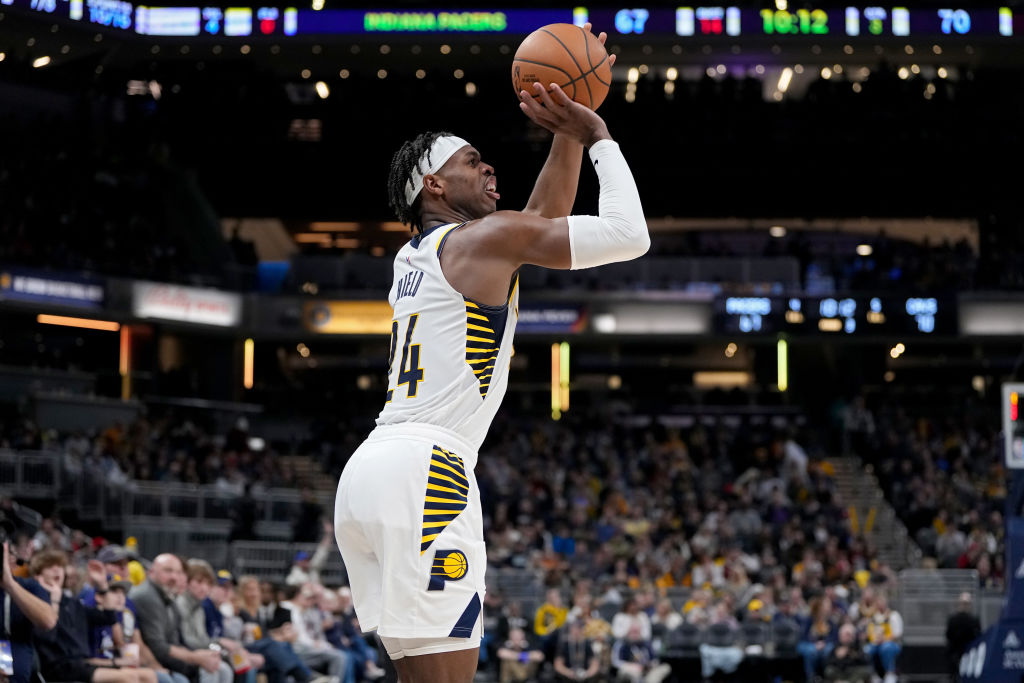
The introduction of the three-point line added a new dimension to the game, challenging players to develop their shooting skills from beyond the arc and encouraging teams to incorporate it into their game strategies.
Rules and Format
The NBA Three-Point Contest is a highlight of the All-Star Weekend, showcasing the league’s elite sharpshooters. Participants compete against the clock, aiming to sink as many three-pointers as possible within a set time frame. The contest is structured with five shooting stations arranged around the three-point arc.
Each station has four standard balls worth one point each and one “money ball” worth two points. The shooters have one minute to shoot all 25 balls, with the goal of accumulating the highest score. The contest typically consists of two rounds: the first round and the championship round. The top scorers from the first round advance to the championship round, where they vie for the title.
Over the years, the contest has introduced variations, such as the “Mountain Dew Zone” – two spots located 6 feet behind the three-point line, each with a single ball worth three points. The contest not only tests players’ shooting accuracy but also their stamina and ability to perform under pressure.
The Inception of the Three-Point Contest
As the three-point shot began to gain traction in the league, the NBA sought ways to celebrate this exciting aspect of the game. The answer came in 1986 with the introduction of the Three-Point Contest during the NBA All-Star Weekend. This event was not just a competition; it was a showcase of the league’s best sharpshooters, battling it out to prove who was the true king from beyond the arc.
The inaugural Three-Point Contest immediately captured the imagination of fans and players alike. And who better to claim the title of the contest’s first winner than Larry Bird, a player synonymous with clutch three-pointers? Bird’s victory wasn’t just a personal achievement; it set the tone for the contest’s future, emphasizing skill, precision, and high-pressure performance. The success of the event was evident, and the Three-Point Contest quickly became one of the highlights of the All-Star Weekend.
Over the years, the contest has seen legendary performances, with players like Craig Hodges, Ray Allen, and Stephen Curry showcasing their prowess. The NBA’s decision to introduce this contest played a pivotal role in elevating the status of the three-point shot, making it a fan-favorite event year after year.
Evolution of Three-Point Shooting in the NBA
The introduction of the three-point line and the subsequent Three-Point Contest marked the beginning of a new era in the NBA. Teams began to recognize the strategic advantage of the three-pointer, leading to a shift in game tactics and player training.
In the initial years following the introduction of the three-point line, the league saw a modest number of threes made per game. However, by the late 1980s, there was a noticeable uptick. The 1985-86 season marked a significant increase in three-pointers made per game, a trend that continued until the 1989-90 season.
The 1990s witnessed players pushing the boundaries of what was possible from the three-point range. John Starks of the New York Knicks made history in the 1994-95 season by becoming the first player to sink over 200 three-pointers. This record was soon shattered by Orlando Magic’s Dennis Scott, emphasizing the growing importance of the shot in team strategies.
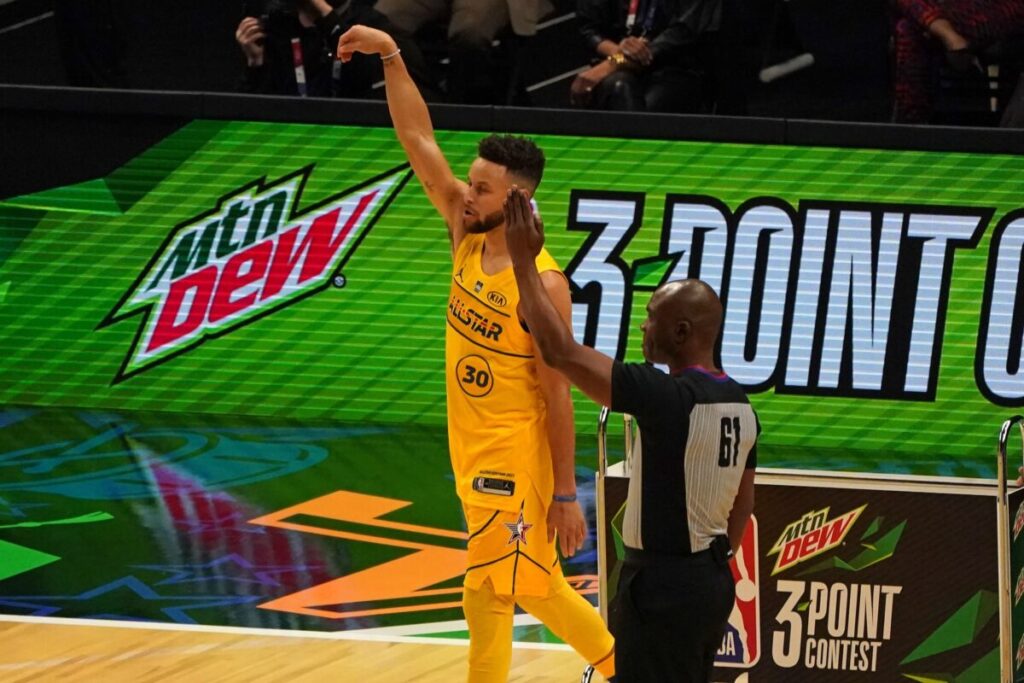
The turn of the century saw players like Ray Allen and Reggie Miller perfecting the art of the three-pointer, setting and breaking records. However, the real game-changer came with the rise of players like Stephen Curry and Klay Thompson, who revolutionized the perception of the three-point shot. Their ability to shoot from deep, often well beyond the arc, transformed team offenses and defenses, making the three-pointer a central element of the modern NBA game.
The Coaches Behind the Evolution
While players often receive the spotlight for their on-court performances, the strategic minds behind their success cannot be overlooked. Coaches play a pivotal role in shaping the game, and when it comes to the three-point revolution, their influence is undeniable.
One coach who stands out in this evolution is Mike D’Antoni. Known for his offensive genius, D’Antoni’s coaching philosophy has always emphasized pace, space, and, most importantly, the three-point shot. His 2005-06 Phoenix Suns team was groundbreaking, becoming the first in NBA history to average double-digit three-pointers made in a season. This style of play, often dubbed “Seven Seconds or Less,” prioritized quick shots, many of which were from beyond the arc.
D’Antoni’s influence didn’t stop in Phoenix. His tenure with the Houston Rockets further solidified his reputation as a proponent of the three-pointer. Under his guidance, the Rockets consistently led the league in three-point attempts and makes, setting numerous records in the process. D’Antoni’s offensive system, combined with the sharpshooting abilities of players like James Harden, made the Rockets a force to be reckoned with.
But D’Antoni isn’t alone. Coaches across the league have recognized the value of the three-pointer, integrating it into their game plans and encouraging players to develop their long-range shooting skills. This coaching evolution, coupled with player talent, has solidified the three-pointer’s place in the NBA.
Modern-Day Three-Point Records
The emphasis on the three-point shot in recent years has led to a slew of records being set and broken. The 2010s, in particular, have been a golden era for three-point shooting, with players and teams pushing the boundaries of what’s possible from beyond the arc.
Stephen Curry, the Golden State Warriors’ sharpshooter, has been at the forefront of this revolution. He holds the record for the most three-pointers made in a single game (13) and in a single season (402), feats that were once deemed unattainable. Curry, along with his teammate Klay Thompson, has redefined the standards for shooting, leading the Warriors to multiple championships in the process.
Teams, too, have been setting records. The Cleveland Cavaliers became the first team to make at least 20 three-pointers in back-to-back games. Not to be outdone, the Houston Rockets set a record by attempting 50 three-pointers in a single game. These records underscore the shift in team strategies, with an increasing emphasis on maximizing points through three-pointers.
The three-point craze isn’t limited to guards and forwards. Big men, traditionally confined to the paint, have expanded their games. Players like Marc Gasol, DeMarcus Cousins, and even Brook Lopez have added the three-pointer to their arsenals, showcasing the versatility required to win in the modern NBA.
The Future of Three-Point Shooting
As the NBA continues to evolve, so does the role of the three-point shot. Its significance in the game today is undeniable, but what does the future hold for this long-range marvel?
One of the speculations gaining traction among fans and analysts alike is the introduction of a four-point line. While this idea might seem radical to some, it’s a testament to how the game’s perimeter shooting has advanced. Players like Damian Lillard and Stephen Curry regularly take shots from distances that would have been unimaginable a few decades ago. A four-point line could further diversify the game, adding another layer of strategy and excitement.
Moreover, player development is increasingly focusing on deep shooting skills. Young players entering the league are already proficient from beyond the arc, and as training techniques improve, we can expect future generations to push the boundaries even further.
However, with the emphasis on three-point shooting, there’s also a growing appreciation for players who can diversify their game. Versatility is becoming key, and players who can score from anywhere on the court are in high demand. The future might see a balance between the inside game and perimeter shooting, leading to more dynamic and unpredictable gameplay.
Final Words
From its introduction in the 1979-80 season to its current dominance, the journey of the three-point shot in the NBA has been nothing short of spectacular. It has transformed game strategies, influenced player development, and provided fans with countless memorable moments.
The NBA Three-Point Contest, an annual showcase of the league’s best shooters, stands as a testament to the shot’s significance. As the contest and the shot itself continue to evolve, one thing remains certain: the three-pointer is here to stay, and its impact on the game of basketball is everlasting.
Whether you’re a player pulling up from deep in a crucial game moment or a fan on the edge of your seat as the ball arcs towards the hoop, the thrill of the three-point shot is universal. It’s a testament to the ever-evolving nature of the NBA and a reminder of the limitless possibilities the future holds.
Frequently Asked Questions
How do points work in the 3-point contest?
In the NBA Three-Point Contest, participants shoot from five stations arranged around the three-point arc. Each station contains five balls – four standard balls worth one point each and one “money ball” worth two points. Additionally, there’s the “Mountain Dew Zone” which consists of two spots located 6 feet behind the three-point line, each with a single ball worth three points. The objective is to accumulate the highest score by sinking as many balls as possible within the allotted time.
When did the 3-point contest start in the NBA?
The NBA Three-Point Contest was introduced during the All-Star Weekend in 1986. It quickly became a fan-favorite event, celebrating the league’s best long-range shooters.
Has LeBron ever been in a 3-point contest?
No, LeBron James has never participated in the NBA Three-Point Contest during the All-Star Weekend. While he is known for his all-around skills and has made significant three-pointers in games, he has not competed in this specific event.
Sources
1. wikipedia.org – Three-Point Contest – Wikipedia
2. basketball.realgm.com – NBA Three Point Contest
3. hoopshype.com – Ranking: The best players ever at the three-point contest


